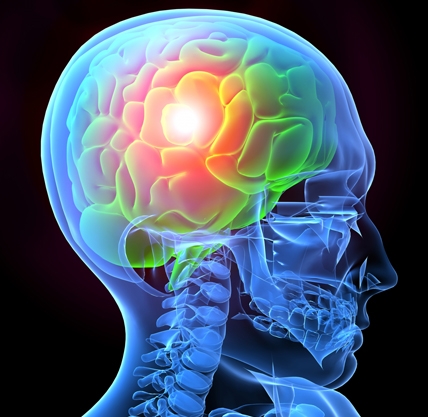
 A recent article in Science Daily outlines a literature review from the Journal of the American Academy of Orthopaedic Surgeons (JAAOS) that focuses on mild traumatic brain injury (mTBI) as a common, but often overlooked, condition.
The study was based in the U.S., but I think that Canadians will find the information relevant as well. It is important to educate ourselves on the prevalence of this “silent epidemic”.
“In the United States, approximately 1.4 million people suffer a traumatic brain injury (TBI) each year. Of those injuries, three out of four are minor TBI (mTBI) — a head injury that causes a temporary change in mental status including confusion, an altered level of consciousness, or perceptual or behavioral impairments.”
The article breaks down some of the key things to know about mTBI:
- mTBI was declared a major public health issue by the Centers for Disease Control and Prevention (CDC)
- When patients with multisystem trauma are compared, those who also suffered an mTBI are roughly twice as likely to experience continuing cognitive impairment, depression, anxiety, and post-traumatic stress disorder
- When patients with lower extremity injuries are compared, those who also suffered an mTBI are three times more likely to have cognitive and behavioural challenges one year after the initial injury
- Post-concussive syndrome (PCS) is when mTBI symptoms last for over three months; PCS is associated with social, financial, and emotional difficulties
- Males age 0-4 are most likely to suffer an mTBI and have the highest rate of visits to emergency related to TBI
- In all age groups, males are more likely than females to suffer an mTBI
The review found that falls and motor vehicle accidents are the leading causes of mTBI. As I’ve discussed previously on this blog, symptoms of an mTBI can include anything from headaches, to anxiety, to problems with memory. Unfortunately, 15-25% of people who sustain an mTBI are still symptomatic over a year after the initial injury.
The scientific study cautions about “second-impact syndrome”, or, sustaining a second head injury before a full recovery from the first. Second-impact syndrome can significantly worsen health and functioning.
Science Daily concludes that orthopaedic surgeons can be central to diagnosing mTBI early on when they are treating patients with traumatic musculoskeletal injuries.
It’s great to see the medical community raising awareness about this important condition. The article outlines trends that I’ve seen through my practice as a personal injury lawyer. I commonly see clients with orthopaedic injuries who also have mTBI symptoms. However, those symptoms have typically not been addressed, or have been pushed aside as secondary symptoms.
In my experience, medical professionals (including orthopaedic surgeons) have a narrowed field of focus on injuries associated with their speciality. Due to this, the complex and subtle mTBI can be missed in the diagnosis.
As people are educated about mTBI, the telltale symptoms will more often be recognized following an accident. This will help those who suffer a brain injury to receive the treatment they need, as soon as possible after their injury.
Related
What You Need to Know About Sports-related Injuries: Mild Traumatic Brain Injuries and Concussions
Causes and Effects of Acquired Brain Injury [Infographic]
What are the Symptoms and Effects of a Traumatic Brain Injury?
>> If you or a loved one has suffered a brain injury in an accident or vehicle collision in Ontario, you can seek the help of an experienced personal injury lawyer to help ease the financial burden. Contact us for immediate support and a free consultation.
*Roger R. Foisy has completed courses in Neurorehabilitation and Advanced Brain Injury Rehabilitation from Brock University. However, he is not a medical professional. The advice in this blog is not intended as a substitute for medical advice.